

This article examines how designer floor lamps influence the look and feel of contemporary interiors, highlighting their aesthetic and functional effects on modern living spaces.
When selecting freestanding lighting for modern environments, it is important to consider not only the practical aspects but also how each piece shapes the visual experience of a room. Among the various options, designer floor lamps can serve as focal points that enhance living areas. The placement and style of these lamps can help arrange and balance a space, contributing to both its ambiance and functionality. Carefully chosen lighting affects the mood of a room and the way it interacts with broader design choices.
Table of Contents
Why Floor Lamp Structure Impacts Room Atmosphere
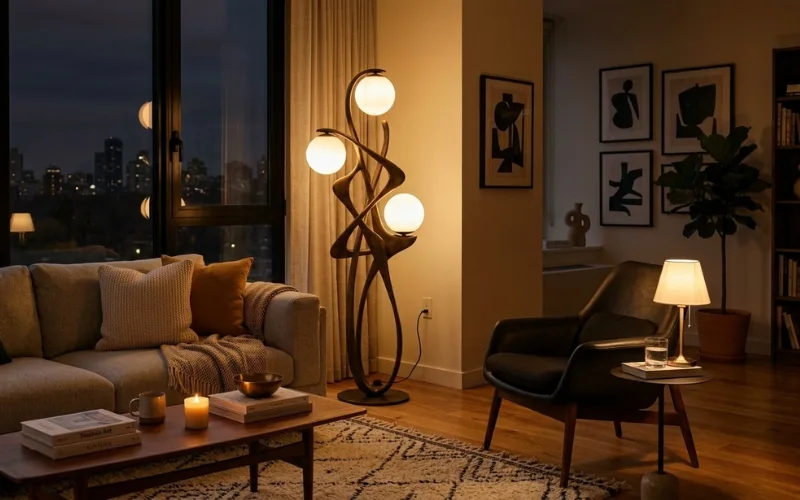
Proportion and silhouette influence how a floor lamp integrates with contemporary design. A base and shade that are well matched ensure the lamp appears as an intentional addition, rather than only a functional object, enhancing the room’s visual composition.
Visual weight also contributes to the room’s harmony. Subtle differences in design can make a significant impact; when a lamp has sculptural lines, it acts as both a lighting source and a decorative element. This is particularly relevant in open-plan layouts, where each piece is easily noticed.
Design Styles and How to Place Them Effectively
Minimal or architectural floor lamp designs feature crisp, clean profiles that complement furniture with sharp lines and uncluttered arrangements. These styles help maintain a calm setting while lending structure in open spaces.
In rooms that benefit from a warmer touch, softer shapes or designs inspired by traditional forms are suitable, bringing comfort to otherwise sparse settings. Distinctive lamps with artistic silhouettes may be used to introduce character or to visually define areas within a flexible or eclectic arrangement.
The Role of Materials and Finishes in Lighting Selection
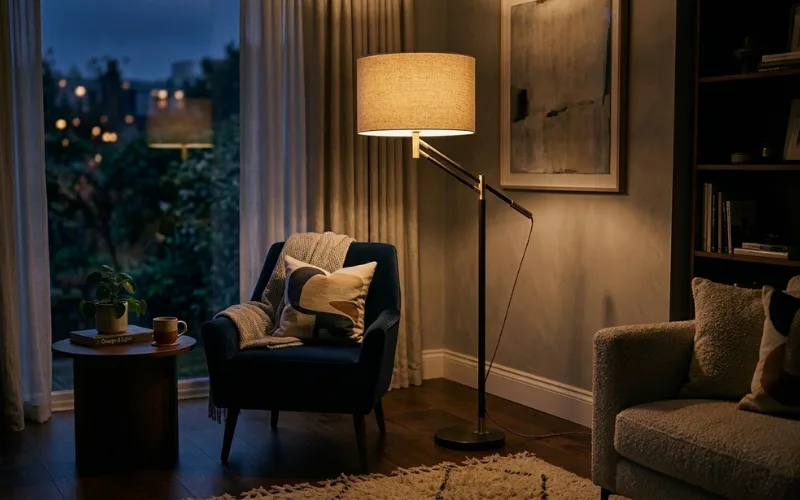
The material of a lamp is central to its contribution to a room’s overall tone. Metals can provide an industrial or modern look, glass offers a soft diffusion of light, ceramics bring texture, and fabric shades add warmth to the glow.
Finishes should be coordinated with other elements in the room. Consider the way lamp bases, hardware, and even features like furniture legs interact. Deliberately matching or contrasting finishes can add cohesion or create a distinct accent within the decor.
Positioning and Performance for Practical and Visual Harmony
Where a lamp is placed affects both its lighting role and how it frames the space. Lamp height and shade diameter can be used to outline seating areas or brighten corners, reducing harsh shadows and ensuring comfort. Placing lamps thoughtfully avoids glare that might impact screen viewing or draw attention away from displayed art.
Lighting recommendations from Visual Comfort include using ambient lamps to establish general mood, with task lighting positioned for reading or focused activities. Adjusting bulb temperature—choosing warmer light in living and sleeping areas, cooler light in workspaces—can fine-tune the environment. For UK residents seeking more details, the Visual Comfort UK homepage offers further information about product options and guidance.
Common mistakes include selecting a lamp that is disproportionate to its setting, using shades that are too opaque or not opaque enough, or leaving cables visible in a way that distracts from the design. Ensuring appropriate scale and tidy cable management allows lighting to support rather than disrupt the overall scheme.
By thoughtfully selecting floor lamps, it is possible to anchor a room’s decorative plan and develop lighting that supports both the visual effect and the function of a space. Each choice can have a significant impact on the home’s character and contribute to a cohesive design.
Read Next: Dark Academia Interior Design: The Complete Guide

