
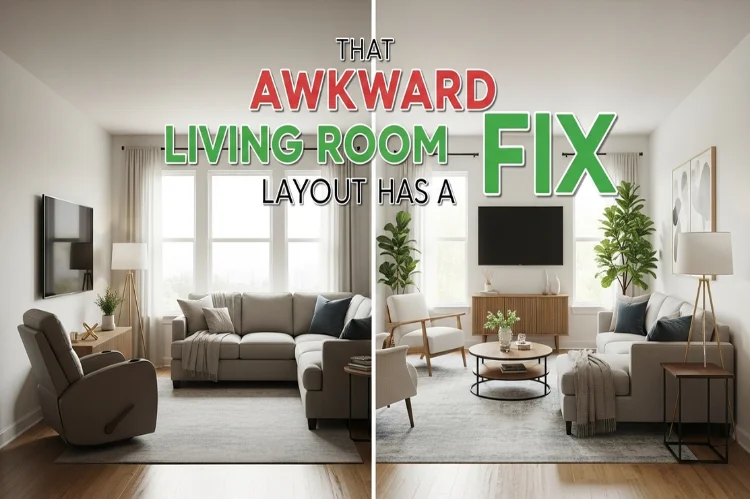
Every week, someone asks me the same question. “Why does my living room feel so wrong?” After spending ten years solving awkward living room layout problems for clients, I finally understand why most advice fails.
Generic tips do not work because every awkward room is awkward for different reasons. A long narrow living room needs completely different solutions than a room with too many doorways. That is why I created this guide organized by your specific problem.
Table of Contents
Quick Diagnosis: What Type of Awkward Room Do You Have?

Before jumping into solutions, identify your room’s main challenge. Find your situation below:
| Your Room Problem | Jump To Section |
| Room is too long and narrow | Long Narrow Living Room Solutions |
| Room has fireplace AND TV | Fireplace and TV Layout Solutions |
| Room has too many doors or openings | Multiple Entry Point Solutions |
| Room connects to dining or kitchen | Open Floor Plan Solutions |
| Room is small and feels cramped | Small Living Room Solutions |
| Room has odd angles or weird shape | Irregular Shaped Room Solutions |
Most awkward living room layout ideas fail because they offer one size fits all advice. Your room needs targeted solutions based on its specific challenges.
Essential Measurements for Any Living Room Layout
Before rearranging anything, memorize these numbers. I use them on every single project.
| Measurement | Minimum Distance |
| Main walkway width | 36 inches |
| Space between sofa and coffee table | 14 to 18 inches |
| Distance from TV to seating | 1.5 times TV diagonal size |
| Space to walk behind dining chairs | 36 inches |
| Conversation distance between seats | 8 feet maximum |
| Secondary walkway width | 24 inches |
These measurements prevent the two most common mistakes. Rooms that feel cramped usually have walkways under 30 inches. Rooms that feel disconnected usually have seating more than 10 feet apart.
Part 1: Long Narrow Living Room Solutions (Ideas 1 to 8)
The long narrow living room layout is the most common problem I encounter. These rooms feel like bowling alleys no matter what you try. Here are eight solutions that actually work.
Idea 1: Divide Into Two Distinct Zones

Stop trying to treat your long living room as one space. Mentally divide it into two separate rooms with different purposes.
The front zone might hold your TV watching area. The back zone becomes a reading nook or dining space. Use area rugs to anchor each zone. This single change transforms how your long living room layout functions.
I recommend leaving three to four feet between zones as a visual buffer. This breathing room prevents the space from feeling chopped up.
Idea 2: Float Furniture Toward the Center
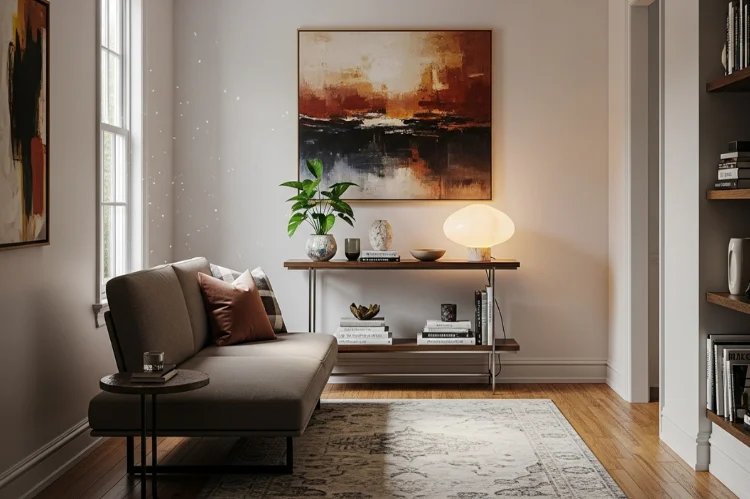
Most people push furniture against walls in a narrow living room layout. This creates a dead zone in the middle and makes the room feel like a hallway.
Pull your sofa at least 12 inches away from the wall. Better yet, float it toward the room’s center with a console table behind it. The console anchors the sofa visually while creating hidden storage.
This approach improved every long narrow living room I have ever worked on. The space instantly feels intentional rather than leftover.
Idea 3: Run Furniture Perpendicular to Length
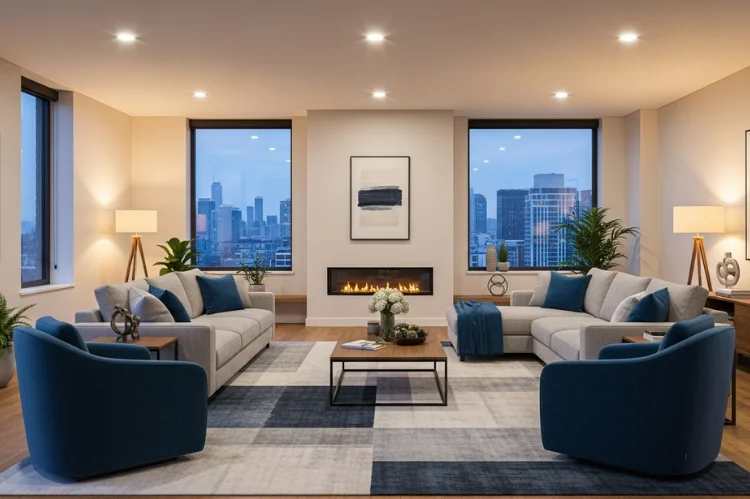
Arrange your main seating perpendicular to the room’s longest wall. This breaks up the tunnel effect and makes your eye travel across the space rather than down it.
Place your sofa facing a short wall. Add chairs on either side facing each other. Your rectangular living room layout will feel twice as wide.
Idea 4: Create a Furniture Island
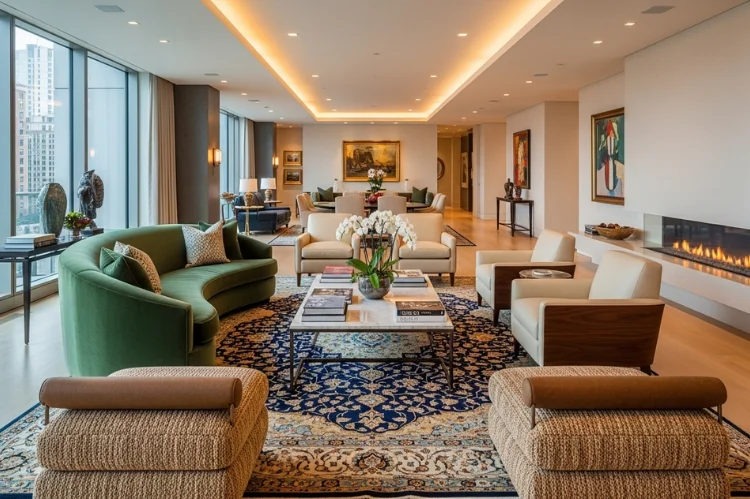
For very long rooms, create a floating furniture island in the center. Arrange a sofa, two chairs, and a coffee table as a tight grouping anchored by a large area rug.
Leave walkways on all sides. This approach works beautifully for large living room layout ideas where the space feels endless.
Idea 5: Use Round Furniture to Improve Flow
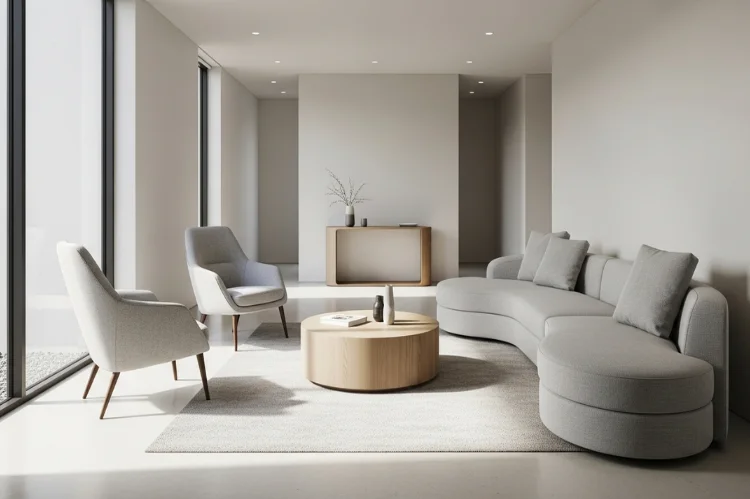
Sharp corners become obstacles in narrow living room ideas. Replace rectangular coffee tables with round or oval options.
Round tables eliminate collision points where people walk. They also soften the linear feeling of a long skinny living room. Consider round side tables too.
Idea 6: Add a Sofa Table as a Subtle Divider

Place a narrow console table behind your sofa to separate zones without blocking sightlines. Style it with table lamps to add lighting in the room’s center.
This technique works especially well for narrow living room dining room combo spaces. The table creates a visual boundary while maintaining openness.
For more ideas on making divided spaces work beautifully, check out these stylish living room design principles.
Idea 7: Position the TV on a Short Wall
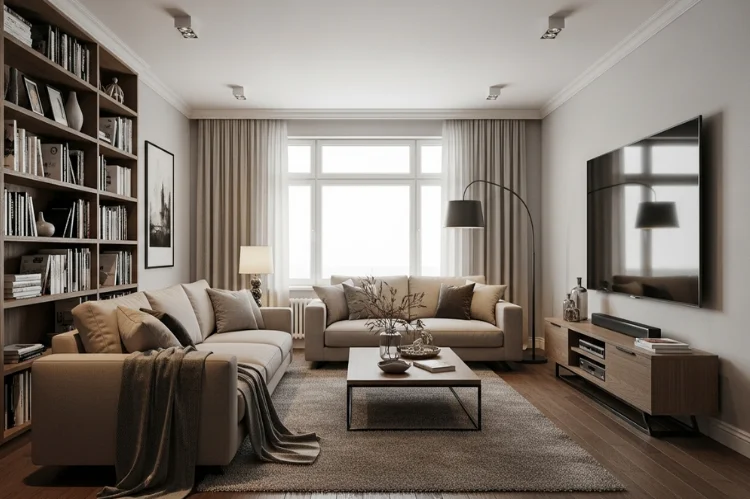
If possible, mount your TV on one of the short walls in your long rectangular living room layout with TV. This creates a natural focal point and prevents the awkward side angle viewing that happens with long wall placement.
Arrange all seating to face the short wall. The room’s length becomes your advantage, giving everyone comfortable viewing distance.
Idea 8: Try an L-Shaped Arrangement

Combine a sofa along one wall with a loveseat or chairs perpendicular to it. This L-shape creates a cozy conversation corner while leaving the rest of your long living room open for traffic.
The L-shape works particularly well when you need to accommodate a doorway or window on one side.
Part 2: Fireplace and TV Layout Solutions (Ideas 9 to 13)
Having both a fireplace and TV creates one of the trickiest living room furniture layout puzzles. Your eye cannot focus on two competing focal points. Here is how I solve this.
Idea 9: Stack TV Above Fireplace Strategically
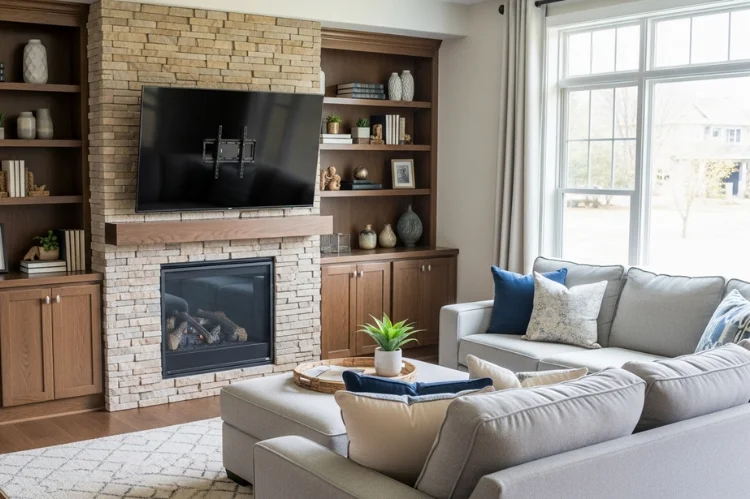
I know designers debate this constantly. But sometimes mounting the TV above the fireplace is genuinely the best solution for an awkward living room layout with fireplace.
Make it work by keeping the TV at eye level when seated, not mounted too high. Use a tilting mount to angle the screen downward. Add built-ins on both sides to frame the arrangement.
Idea 10: Give Each Focal Point Its Own Zone
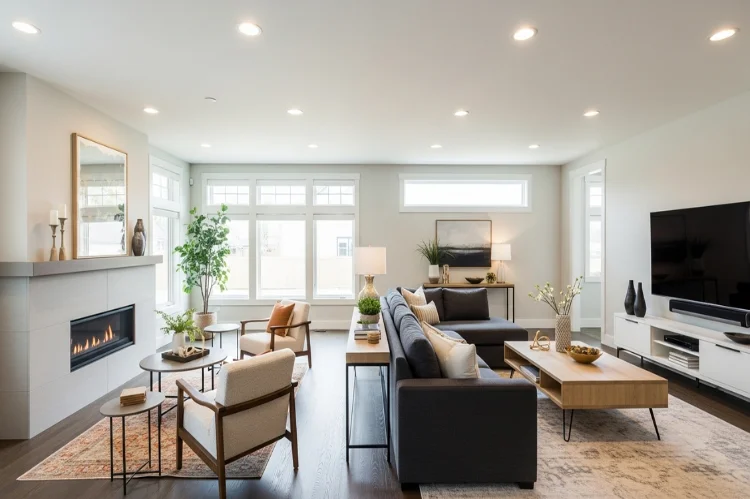
In larger rooms, dedicate separate zones to each focal point. Create a conversation area around the fireplace with chairs angled toward it. Set up a TV watching zone elsewhere with a sofa facing the screen.
This approach works brilliantly for long narrow living room layout with fireplace and tv situations. Neither element competes because each has its own territory.
Idea 11: Use Swivel Chairs for Flexibility
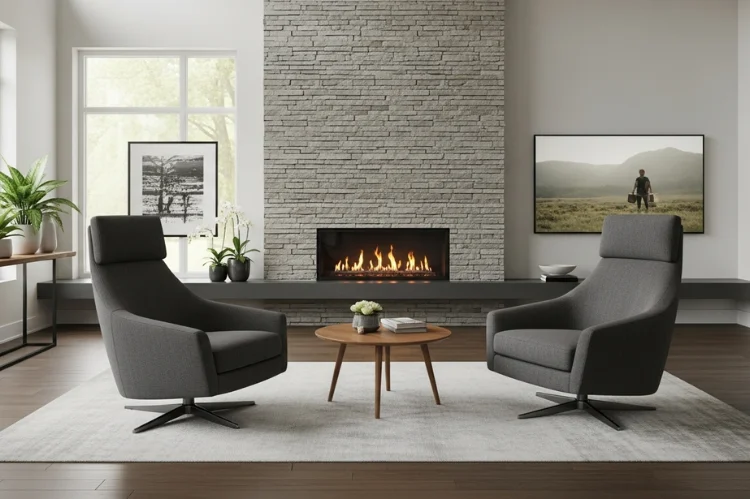
When your fireplace and TV sit on different walls, swivel chairs solve the viewing dilemma. Position them where occupants can easily turn toward either focal point.
Pair swivel chairs with a stationary sofa facing your primary focal point. This living room furniture arrangement offers flexibility without constant furniture moving.
Idea 12: Make the Fireplace the Star
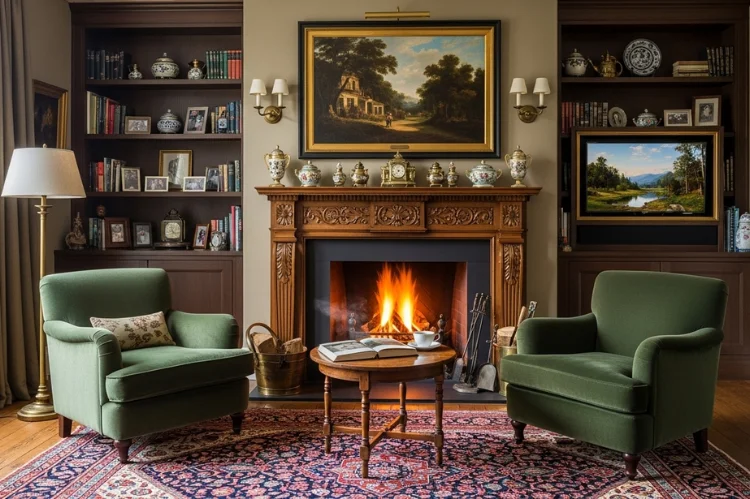
Sometimes the best solution is choosing one winner. If your fireplace has beautiful architecture, let it dominate. Hide the TV in a cabinet, behind art, or in another room entirely.
A room with a clear focal point always feels more serene than one with competing elements. Your fireplace becomes genuine art when it does not fight for attention. Learn how fireplace hearth design can enhance this focal point.
Idea 13: Angle Your Furniture at 45 Degrees
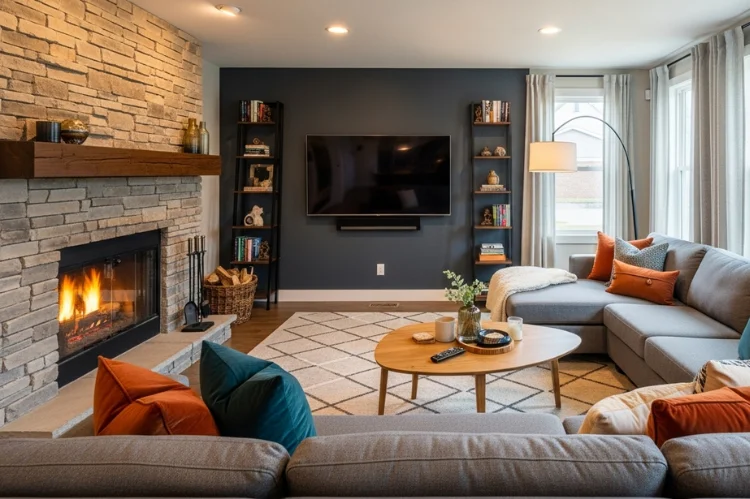
Place your sofa at a 45 degree angle facing the corner between fireplace and TV walls. This position offers decent views of both without directly facing either.
Add a chair or two facing each focal point directly for those who want dedicated viewing. This living room arrangement accommodates different preferences.
Part 3: Multiple Entry Point Solutions (Ideas 14 to 17)
Rooms with many doorways or openings create traffic flow nightmares. Every furniture placement in living room seems to block something. These ideas help.
Idea 14: Map Your Traffic Patterns First
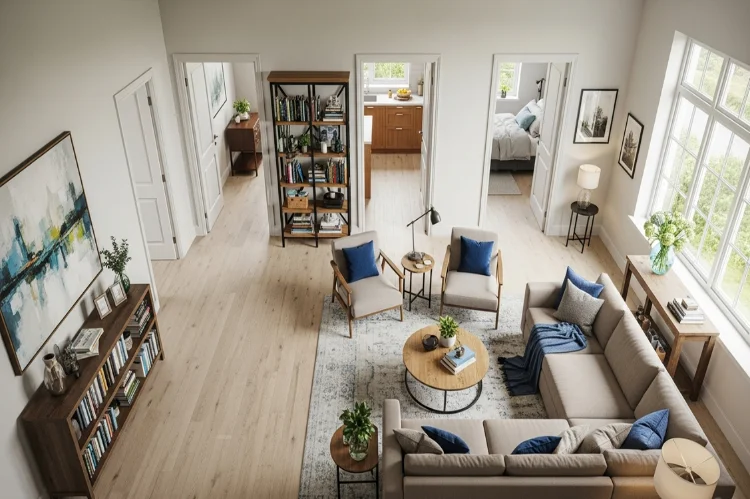
Before placing any furniture, draw lines showing how people move through the room. Mark paths from every doorway to every other doorway.
Now you can see which areas get heavy traffic and which stay calm. Place seating in calm zones and leave traffic areas clear. This simple exercise prevents most living room layout mistakes.
Idea 15: Use Chairs Instead of Sofas Near Doorways
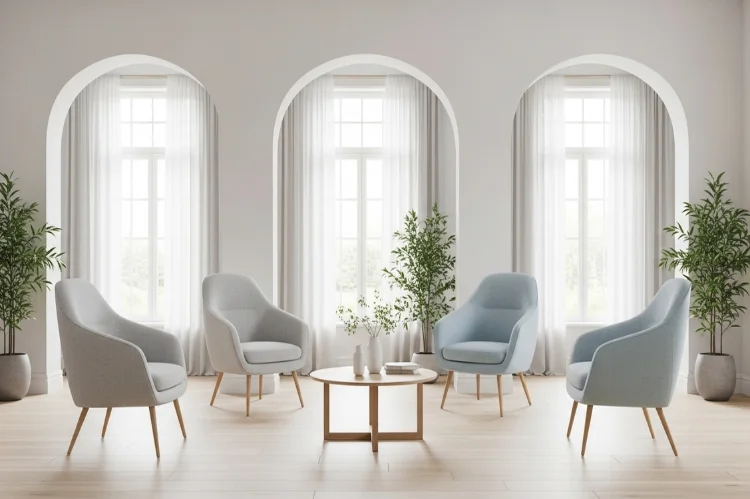
Sofas create visual barriers. When placed near doorways, they make entries feel blocked even if walkways technically exist.
Use chairs or small loveseats near high traffic areas instead. Their lower visual weight keeps entries feeling open while still providing seating. Save your larger sofa for calmer zones.
Idea 16: Create a Central Anchor
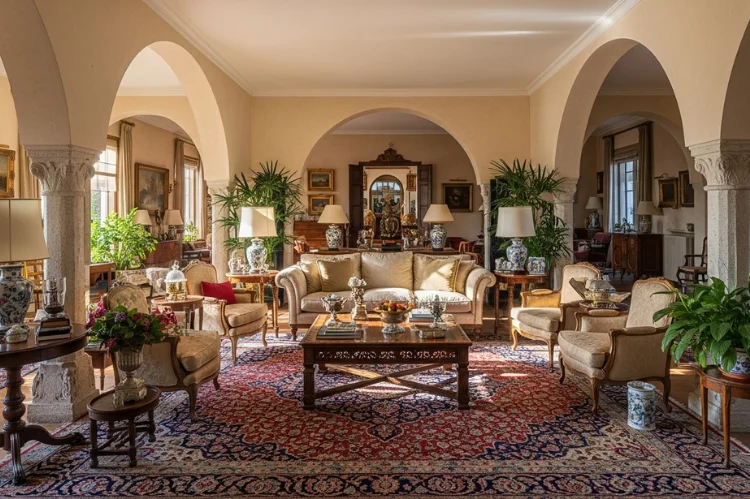
When doorways surround your room, create one strong central furniture grouping. Anchor it with a statement rug and arrange seating around a central coffee table.
This approach makes the living room furniture placement feel intentional rather than like furniture scattered between doors. The center becomes your destination.
Idea 17: Embrace the Pass-Through
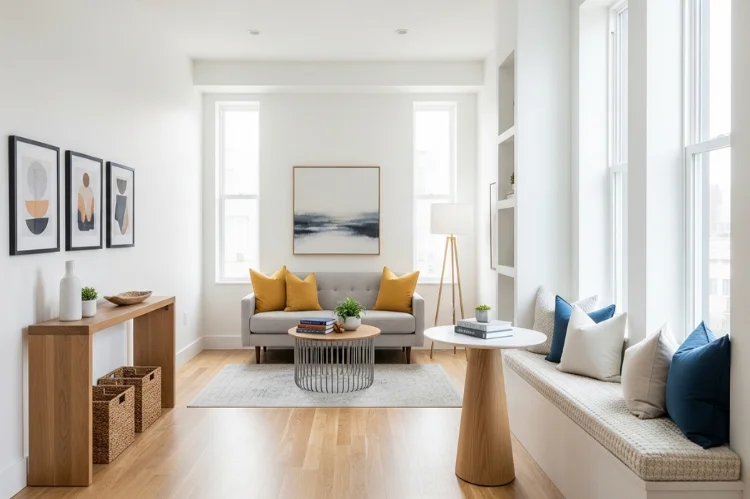
Some rooms cannot escape being thoroughfares. Instead of fighting it, design your layout to accommodate movement gracefully.
Keep furniture compact and arranged along the walls. Create one cozy seating nook rather than spreading furniture throughout. Accept that this room serves connection rather than lingering.
Part 4: Open Floor Plan Solutions (Ideas 18 to 21)
Modern homes often feature rectangular open plan kitchen living room floor plan designs. These spaces need definition without walls. Here is what works.
Idea 18: Use Area Rugs to Create Visual Rooms
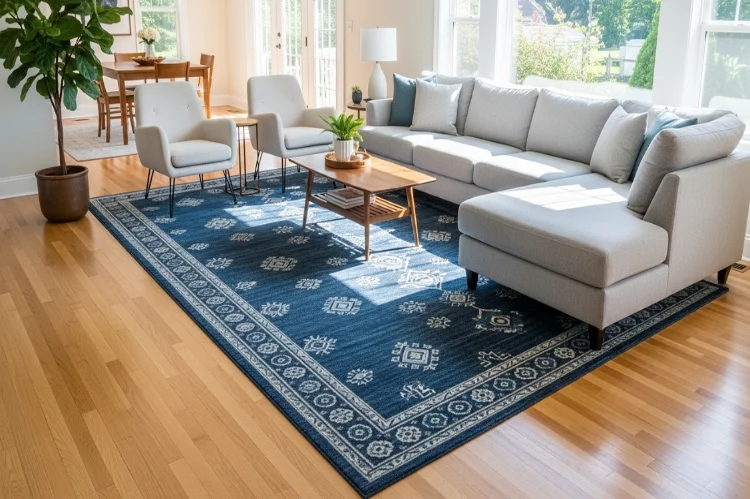
A large area rug defines your living room layout boundaries in an open floor plan. Choose a rug large enough that all furniture front legs sit on it.
The rug tells your eye where the living room starts and stops. Without it, furniture floats in undefined space. This simple addition transforms how people perceive your living room setups.
For creating beautiful zones in your open concept space, these home decor ideas provide excellent inspiration.
Idea 19: Back Your Sofa Toward the Kitchen

Position your sofa with its back toward the kitchen or dining area. This creates a natural separation without blocking sightlines.
Add a console table behind the sofa for extra definition. The back of the sofa becomes a subtle wall marking where the living room territory begins.
Idea 20: Use Consistent Flooring With Different Rugs
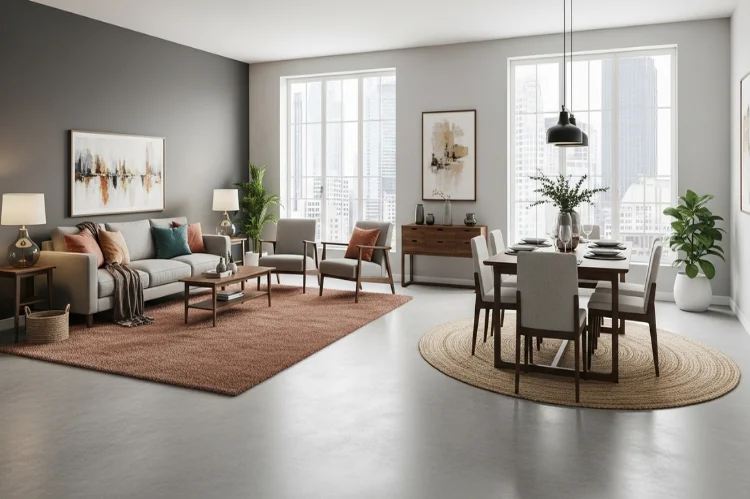
Keep flooring consistent throughout your open plan to maintain spaciousness. Then use different area rugs to distinguish each zone.
Your living room rug might feature bold pattern while the dining area uses solid color. The floor stays continuous but zones feel distinct. This works for any living room.layout challenge.
Idea 21: Let Furniture Angles Define Spaces
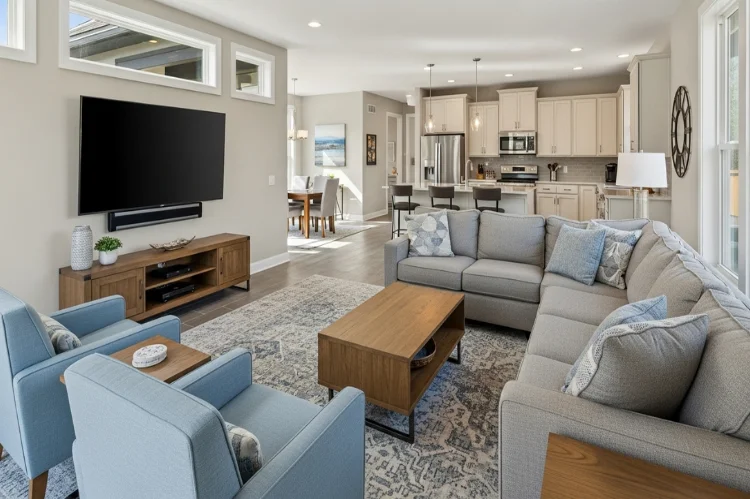
Angle your living room furniture to face away from the kitchen and toward a focal point. This positioning psychologically separates the spaces.
The furniture arrangement tells visitors this area serves a different purpose than the adjacent kitchen or dining space. No physical barriers needed.
Part 5: Small Living Room Solutions (Ideas 22 to 24)
Compact spaces need every square inch working hard. These small living room layout ideas maximize function without feeling cramped.
Idea 22: Choose Apartment-Scale Furniture
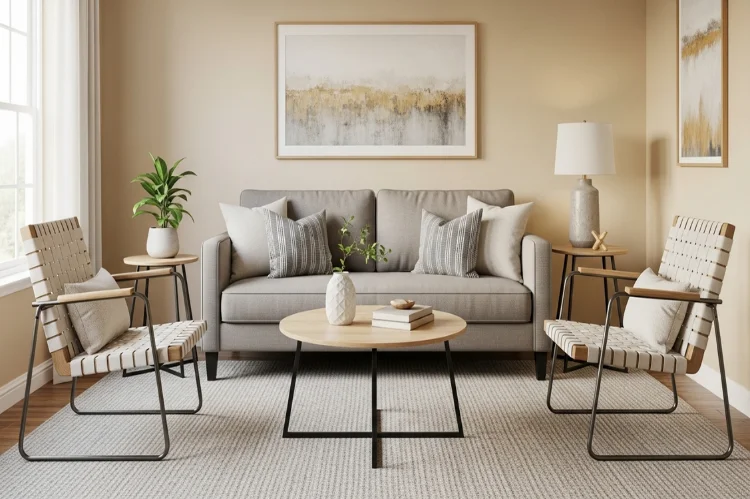
Standard sofas overwhelm small living room layout spaces. Look for apartment-sized options with dimensions around 72 inches rather than 84 inches or longer.
Pair with armless chairs or slim profile seating. Every inch matters in tight spaces. The right scale furniture makes your small room feel properly proportioned rather than stuffed.
For compact dining solutions that complement small living areas, explore dining tables for small spaces that maximize every inch.
Idea 23: Mount Your TV to Save Floor Space

Wall mounting your TV eliminates the need for a media console in a small living room layout with tv. That can reclaim 18 to 24 inches of valuable floor space.
Use floating shelves below the TV for components instead of a full cabinet. Or hide components in a nearby closet with wireless signal extenders.
Idea 24: Use Mirrors to Double Perceived Space
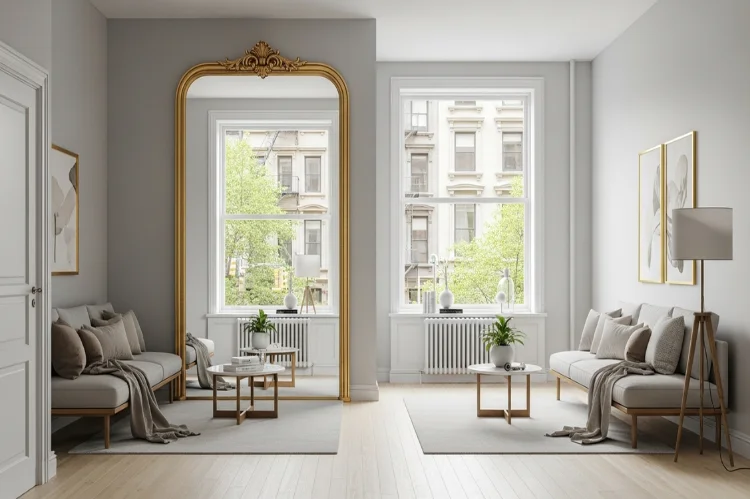
Hang a large mirror on the wall opposite your windows. It reflects light and views, making your narrow living room feel nearly twice as large.
Position mirrors carefully. They should reflect something attractive, not clutter or blank walls. The right placement creates magic. The wrong placement creates confusion.
A minimalist interior design approach works perfectly for small spaces where every element needs purpose.
Part 6: Irregular Shaped Room Solutions (Idea 25)
Idea 25: Embrace the Weird Angles
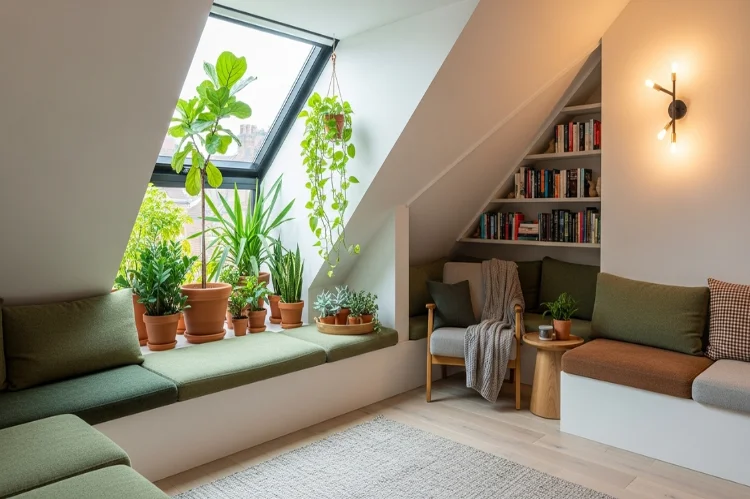
Stop trying to force conventional arrangements into unconventional spaces. Your odd shaped living room ideas should celebrate what makes the room unique.
Have an angled wall? Place a chair facing that angle as a reading nook. Got an alcove? Make it a cozy window seat. Odd corner? Perfect spot for a tall plant or floor lamp.
The most interesting rooms I have designed embraced their quirks rather than fighting them. Your irregular shaped living room ideas become features when you stop treating them as problems.
What not to Do: 5 Layout Mistakes I See Constantly

Knowing what fails helps you avoid wasting time. These mistakes appear in almost every awkward living room layout I am asked to fix.
Mistake 1: Pushing All Furniture Against Walls
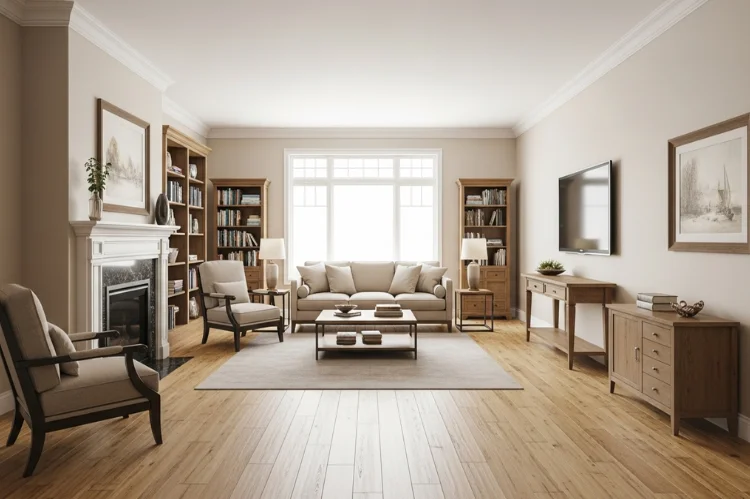
This creates dead space in the center and makes rooms feel cold and disconnected. Conversation becomes difficult when seats are too far apart. Float at least some furniture toward the center.
Mistake 2: Blocking Windows With Tall Furniture
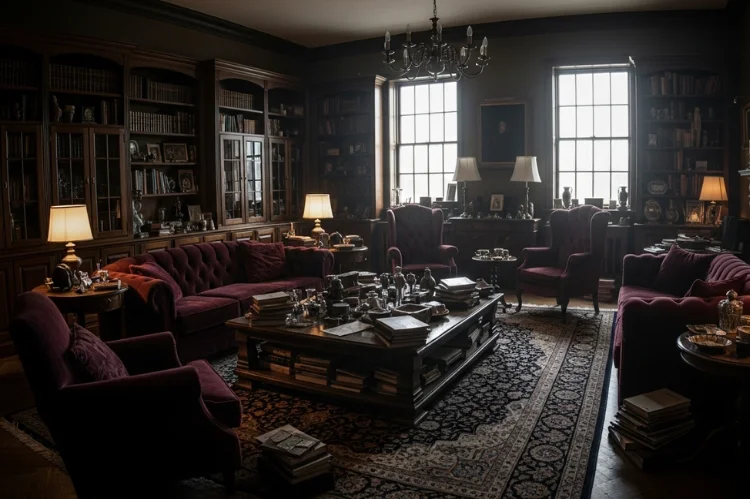
Natural light makes rooms feel larger and more welcoming. Placing tall bookcases or cabinets in front of windows sacrifices this advantage. Keep window areas open or use low profile furniture only.
Mistake 3: Ignoring Traffic Flow

A beautiful arrangement fails if people constantly walk through your seating area to reach other rooms. Map traffic patterns before finalizing any living room furniture arrangement.
Mistake 4: Using Too Many Small Pieces

Lots of small furniture makes rooms feel cluttered and chaotic. One substantial sofa creates more impact than a loveseat plus three mismatched chairs. Edit ruthlessly.
Mistake 5: Forgetting the Room’s Purpose
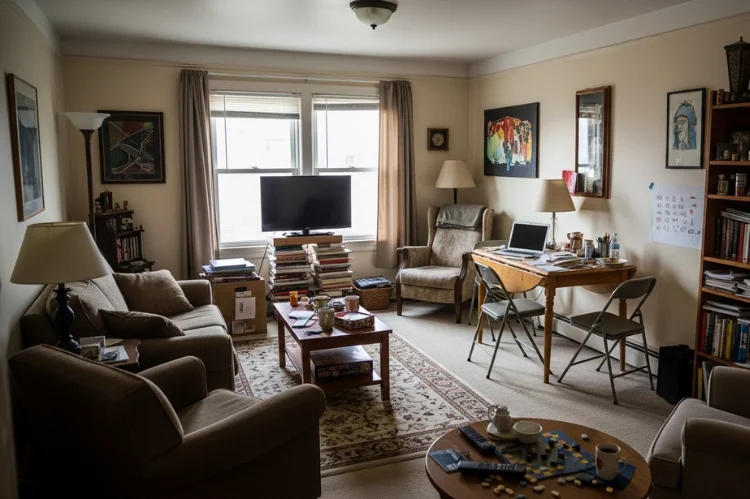
Every room needs a primary function. Is yours for TV watching, conversation, reading, or something else? Designing for everything means designing for nothing. Choose your priority.
My Step-by-Step Layout Process

After ten years and hundreds of rooms, I follow this exact process for every living room layout challenge.
Step 1: Measure Everything
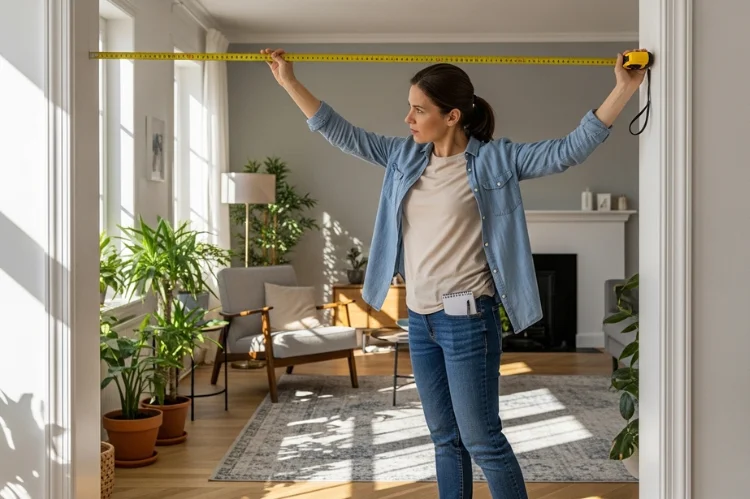
Record room dimensions, doorway locations, window sizes, and ceiling height. Note anything that cannot move like radiators, outlets, or built-in features. Accurate measurements prevent expensive mistakes.
Step 2: Define the Primary Purpose

Decide what this room must do above all else. TV watching? Conversation? Reading? Entertaining? This answer guides every subsequent decision.
Step 3: Identify Your Focal Point
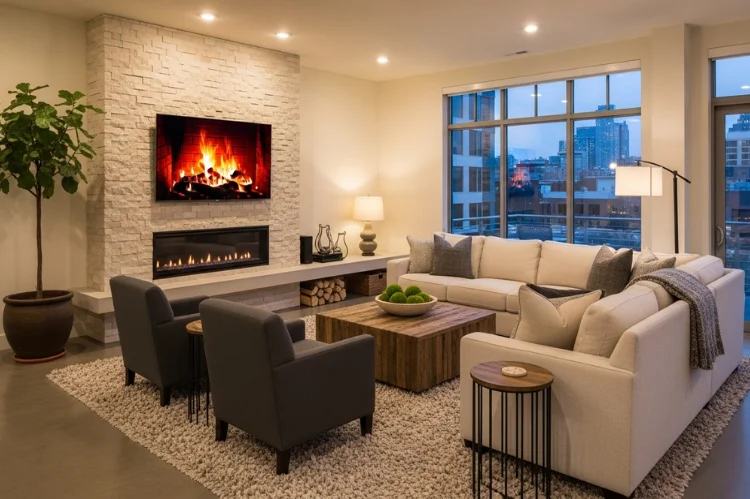
Every room needs one main focal point. A fireplace, TV, beautiful window, or statement art piece. Choose one. Arrange primary seating to face it.
Step 4: Map Traffic Patterns
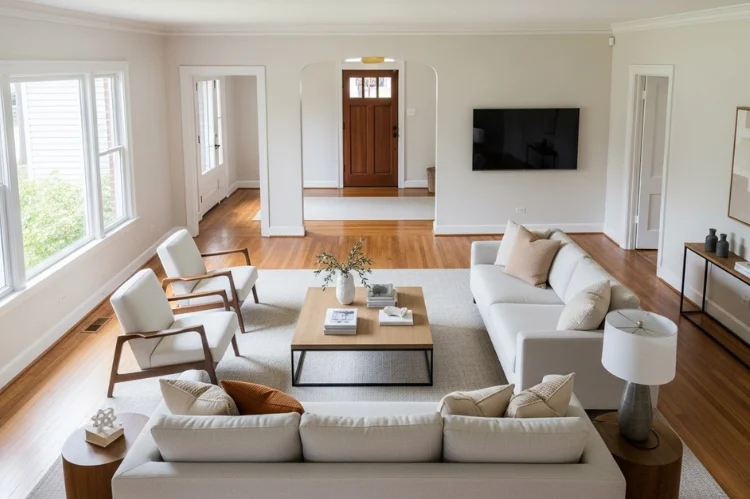
Draw lines showing how people move through the space. From each doorway to each other doorway. Keep these paths clear with 36 inches minimum width.
Step 5: Place the Largest Piece First

Position your sofa or sectional first. This anchor piece determines everything else. Get it right before adding secondary furniture.
Step 6: Add Seating for Conversation
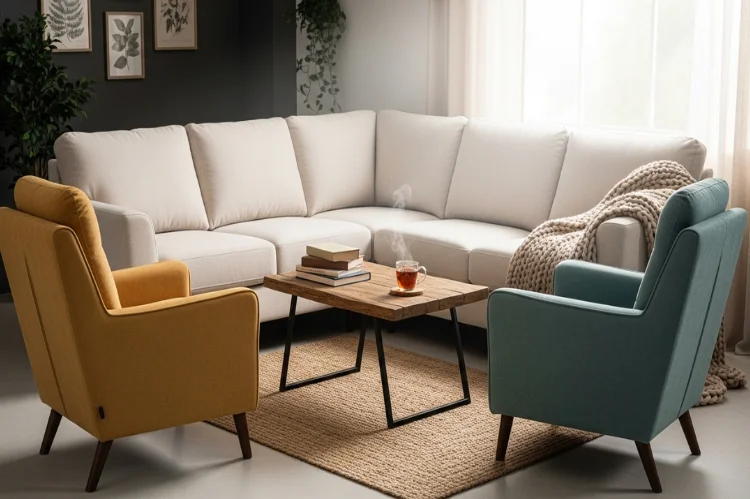
Arrange additional chairs and loveseats to create conversation groupings. Keep seats within eight feet of each other for comfortable talking distance.
Step 7: Include Tables at Every Seat
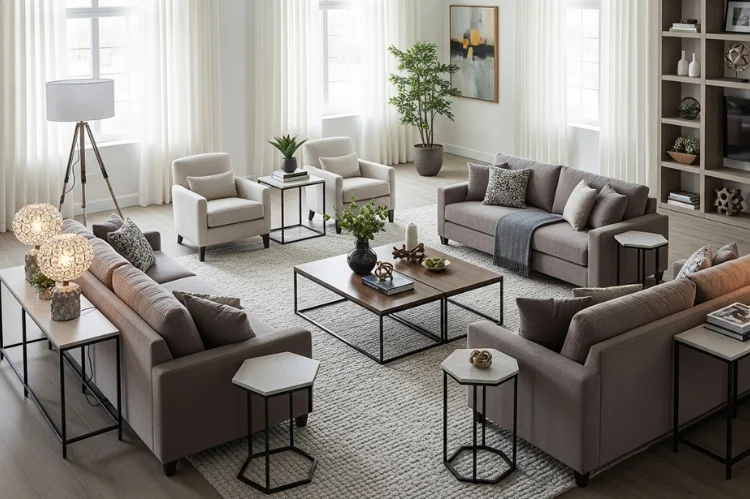
Ensure every seating position has a surface within reach for drinks, phones, and books. No one should need to stand up to set something down.
Step 8: Layer in Lighting
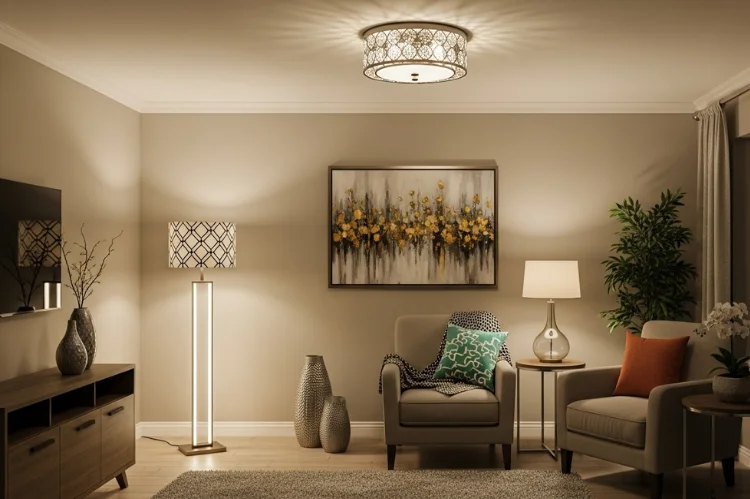
Plan for three lighting types. Overhead ambient light, task lighting for reading, and accent lighting for atmosphere. Dark corners make rooms feel smaller and less inviting.
Frequently Asked Questions
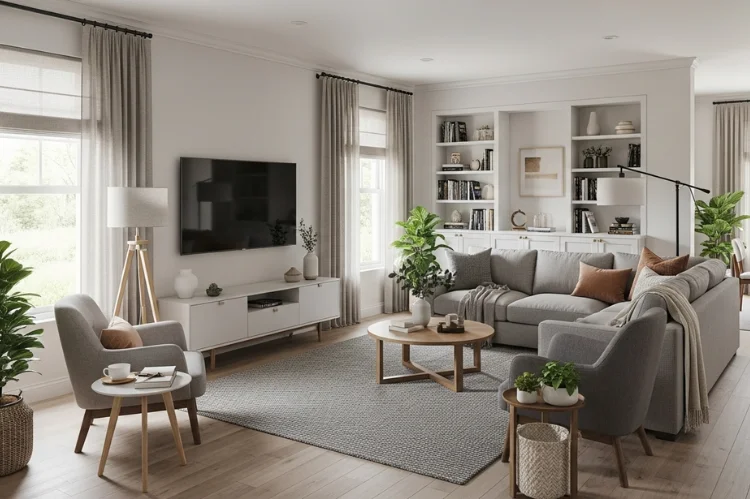
How do you layout a long narrow living room?
Divide the space into two or three zones with different purposes. Float furniture toward the center rather than pushing against walls. Arrange main seating perpendicular to the room’s length to break up the tunnel effect. Use round furniture to improve traffic flow around pieces.
Where should I put my TV in an awkward living room?
Mount your TV on a short wall when possible to create a natural focal point. If that is not an option, place it on a long wall and arrange seating perpendicular to the room’s length. Keep viewing distance at 1.5 times the TV’s diagonal measurement for comfortable watching.
How do you arrange furniture when you have a fireplace and TV?
Choose which element serves as your primary focal point and arrange main seating to face it. Use swivel chairs to allow viewing of both elements. In larger rooms, create separate zones for each focal point. Consider hiding the TV when not in use if the fireplace has beautiful architecture.
How do you make a narrow living room look wider?
Arrange furniture perpendicular to the longest wall. Use mirrors on short walls to reflect light and views. Choose round or oval tables instead of rectangular ones. Keep walkways along the walls clear. Float furniture in the center rather than lining walls.
How much space do you need between furniture pieces?
Leave 14 to 18 inches between sofa and coffee table, 36 inches for main walkways, and 24 inches for secondary paths. Keep conversation seating within 8 feet of each other. These measurements ensure comfortable movement and interaction.
What is the best furniture arrangement for a rectangular living room?
Create distinct zones using area rugs as anchors. Float your main seating arrangement toward the center of one zone. Position seating perpendicular to the room’s length when possible. Use a console table behind the sofa to add definition and storage.
Final Thoughts
Every awkward living room layout has a solution. I have never encountered a room that could not be improved with thoughtful furniture arrangement ideas tailored to its specific challenges.
The key is diagnosing your room’s actual problem rather than applying generic advice. A long narrow living room needs different solutions than a room with competing focal points. A small living room layout requires different strategies than an open floor plan.
Start by identifying which category your room falls into. Apply the specific ideas designed for that challenge. Measure carefully, plan on paper, and give yourself permission to experiment.
Your living room should feel comfortable and functional every single day. Not just when photographed from the perfect angle. Use these 25 ideas to create a space that genuinely works for how you actually live.