

Renovating a home is an exciting time to enhance both functionality and aesthetics. You might invest in an updated bathroom, finish a basement or reimagine a spare room. However, some key factors of home renovations and remodels can be overlooked. Learn about common oversights and how to effectively avoid them, so you can protect your budget and peace of mind.
Table of Contents
Hidden Costs that Blow the Budget

Most homeowners budget for the cost of new materials, hiring contractors and demolition costs, but the contingency fund should never be overlooked. It goes toward any unexpected expenses, such as work delays, permits, structural surprises or material cost inflation. Factor in 10% to 20% of your overall budget for surprises, so you can keep your project moving forward without exceeding your budget.
Lifestyle Disruption During Construction
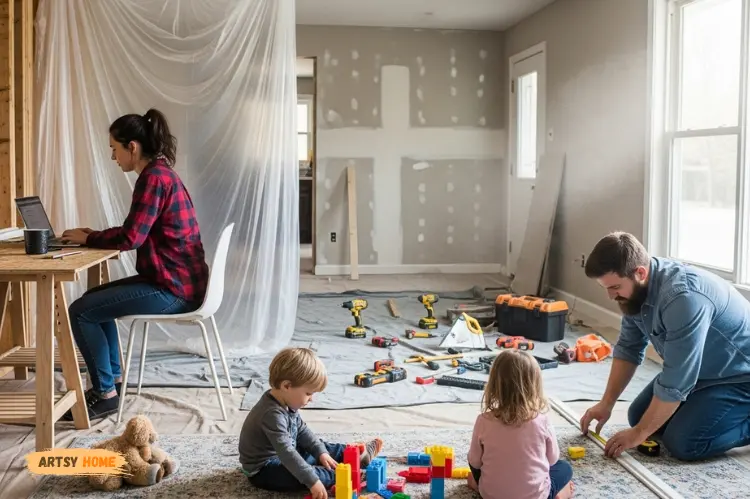
Depending on the scope of the renovation, you might prefer to stay at home, with a relative or in a rental. Prepare for your daily routine to change during this time.
For example, if the house is noisy when you usually work from home, try working inside a local library or other quiet public space. Those with children or pets must take extra precautions to keep them away from power tools, stray nails and lung-irritating construction dust.
While focusing on the house, prioritize your own mental and physical well-being during a potentially stressful renovation. Take regular breaks from the project and plan ahead for potential inconveniences, such as an inaccessible laundry room due to plumbing work.
The Impact of Building Codes

Modern building codes have guidelines for mandatory safety upgrades, energy efficiency and other critical factors. It is essential to understand building codes before commencing a renovation. Code violations can result in resident harm, denied insurance claims and resale difficulties. Never take shortcuts when it comes to the home’s safety and stability. You can search local municipality websites and consult with contractors for information specific to your project and location.
Design Beyond Aesthetics
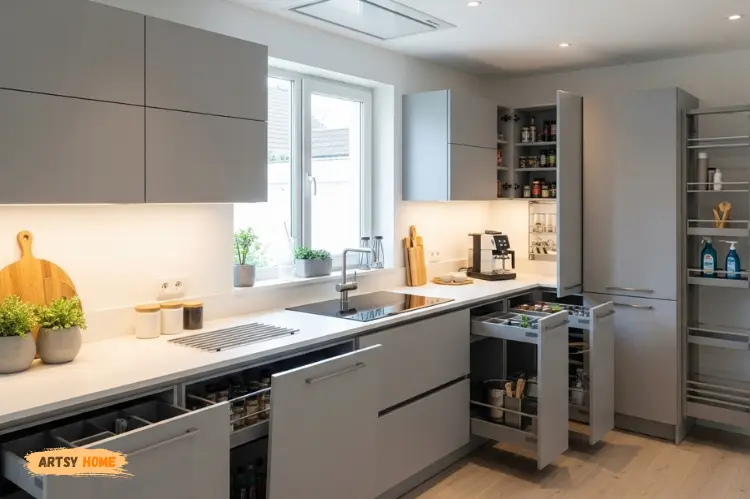
Interior renovations should consider storage space, adaptable layouts and lighting. Consider a kitchen renovation — custom cabinetry may impress guests, but it should also provide enough space for your dishware and utensils. Both form and function are important, such as under-cabinet LED strips that keep each cooking surface illuminated, and hidden outlets that allow you to easily plug in countertop appliances.
Your area’s climate also impacts your home exterior renovation. For example, faux wood boosts curb appeal without deteriorating in harsh sunlight, and asphalt shingles are best suited for handling high winds. Always choose durable materials to achieve the most long-term performance, and inquire about any warranties.
Sustainability and Smart Home Integration
Choose features that deliver satisfaction beyond visual appeal. Future-proof your renovated living space by incorporating eco-friendly materials and energy-efficient appliances. To maintain comfort and save on energy costs, many home remodels involve adding insulation, upgrading HVAC systems and replacing windows.
Smart technology can add value and convenience for current and future residents. For instance, you can program smart lights to turn on at specific times of day and use window sensors to enhance security, which can be controlled remotely.
The Right Professionals

Your project impacts your home’s value, comfort and safety, so select the right contractors to handle the job. Always evaluate the credentials, portfolios and client reviews of your shortlisted contractors, architects and interior designers.
You should also consider how well the professionals understand your vision for the project, as collaboration is crucial for a successful home renovation. Collect and save all product warranties, maintenance instructions and contractor contact information.
Maintenance Post-Renovations
Even after the renovation is complete and you have resumed your daily life in the home, it is essential to follow some best practices to maintain new installations and finishes. You can expect ongoing costs, such as reassessed property taxes, updated insurance premiums and higher utility bills. Once the renovation is complete, you might also need to invest in paint, furniture and decor to complete the look of the space.
Renovate the Right Way
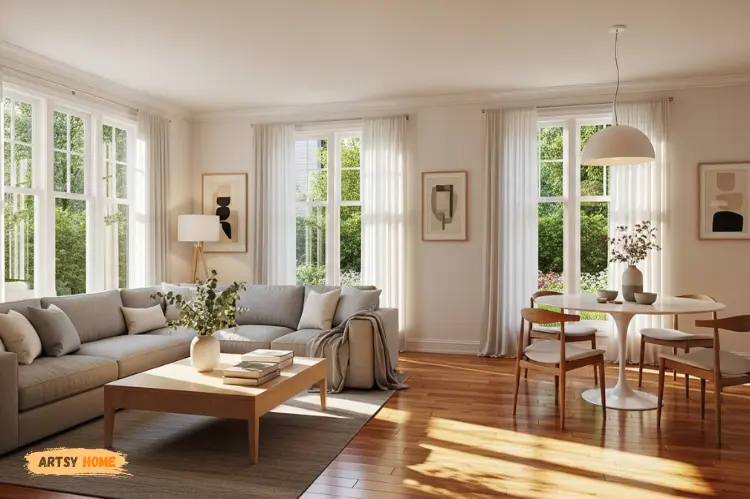
Design your dream space with thoughtful planning and realistic expectations. Remember to consult experts and utilize trusted resources throughout the renovation or remodeling process to achieve the best results.
Read Next: Contractor for Home Renovation: Ensure Safety and Success

